
Not every tattoo ages the way people hoped it would.
Sometimes the design no longer fits who you are. Sometimes the linework healed poorly. Sometimes the tattoo was done too dark, too fast, or too cheaply. Other times, it is simply connected to a chapter of life you are ready to leave behind.
That is where cover-up tattoos come in.
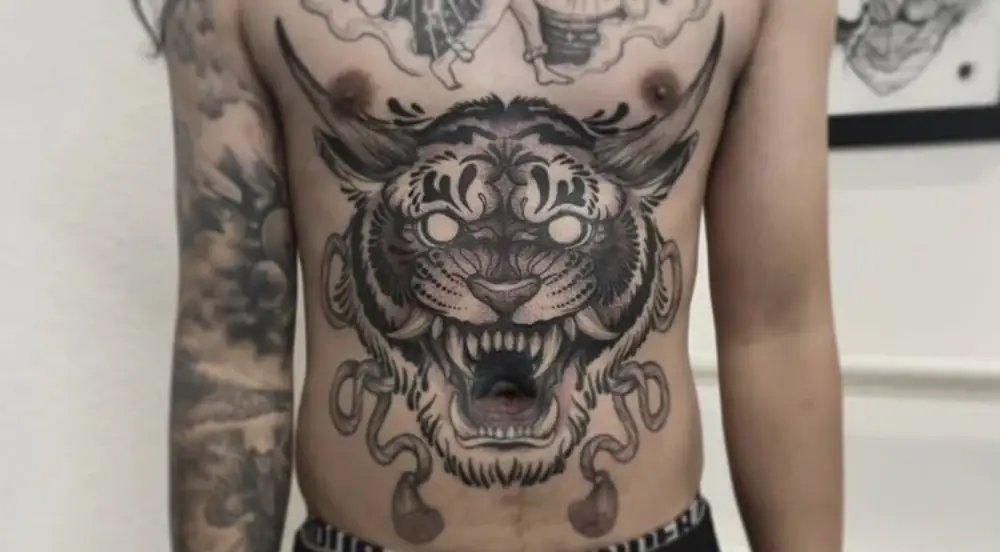
A good cover-up can transform an old tattoo into something you actually want to wear. But cover-ups are not magic. Some tattoos can be covered cleanly. Some can be reworked. Some may need to be lightened first. And some ideas need to be adjusted so the final tattoo looks intentional instead of forced.
If you are looking for a cover-up tattoo in Las Vegas, here is what you should know before booking a consultation.
What Is a Tattoo Cover-Up?
A tattoo cover-up is a new tattoo designed to hide, disguise, or absorb an existing tattoo.
The goal is not simply to place a new design on top of the old one. The goal is to create a new piece that works with the shape, darkness, location, and age of the existing tattoo.
That usually means the new tattoo has to be:
- Larger than the original tattoo
- Darker in certain areas
- Designed around the existing lines and shapes
- Planned carefully by an experienced tattoo artist
A strong cover-up does not look like a patch. It should look like a deliberate tattoo that belongs on the body.
Can Any Tattoo Be Covered Up?
The short answer: many tattoos can be covered, but not every tattoo can be covered with every design.
A light, faded, simple tattoo is usually easier to cover. A very dark, dense, or heavily saturated tattoo is more difficult. Black ink, thick lettering, tribal work, and large blocks of color can limit your options.
That does not mean a difficult tattoo cannot be improved. It means the new design needs to be realistic.
For example, a small faded name may be covered with flowers, an animal, ornamental work, or a traditional design. But a large black tattoo cannot usually be covered with a fine line design or a soft pastel piece. The old tattoo will show through.
A cover-up works best when the new design is chosen for the situation, not just copied from a reference image.
What Makes a Tattoo Easier to Cover?
Several factors make a tattoo more coverable.
1. The Old Tattoo Is Faded
Older tattoos are often easier to cover because the ink has softened over time. Lines may be less sharp, and dark areas may have settled into a lighter tone.
This gives the new tattoo more room to visually take over.
2. The Tattoo Is Small
Small tattoos usually offer more flexibility. The artist can create a larger design around the existing tattoo and use darker areas strategically.
This is why many small names, symbols, dates, and simple line tattoos can often be covered successfully.
3. The Tattoo Has Open Space Around It
Placement matters. A tattoo with enough clean skin around it gives the artist more room to design something balanced.
If the old tattoo is squeezed into a tight area, the new tattoo may need to be shaped carefully to avoid looking cramped.
4. The Existing Tattoo Has Light or Thin Lines
Thin linework, soft shading, and lighter ink are easier to disguise than heavy black shapes.
That is why fine line tattoos, small script, and lightly shaded pieces often give the artist more options.
What Makes a Tattoo Harder to Cover?
Some tattoos are more challenging because they leave fewer design options.
1. Heavy Black Ink
Black ink is the hardest color to cover because most tattoo ink cannot simply erase or overpower it.
A new tattoo can use black areas creatively, but a very dark tattoo usually needs a design with enough depth, contrast, and saturation to hide what is underneath.
2. Thick Lettering
Names, initials, phrases, and script tattoos can be tricky because letters create recognizable shapes.
Even when covered, the eye may still pick up old letterforms if the new design does not break them up properly.
3. Tribal Tattoos
Tribal tattoos are common cover-up requests because they often use thick, dark shapes. Those shapes can be difficult to hide unless the new tattoo is larger and designed with strong black areas.
Some tribal tattoos can be covered. Others may be better suited for reworking, blackwork, or partial laser lightening before a new piece is started.
4. Bright or Dense Color
Color tattoos can also be difficult, especially if they are saturated with red, blue, green, or purple. The old pigment may influence the new color placed over it.
In some cases, the best solution is to use a darker color palette or shift the design direction.
5. Scarred or Raised Skin
If the original tattoo caused scarring, the skin may not take new ink evenly. Scar tissue can be tattooed in many cases, but it requires realistic expectations.
An artist may need to see the skin in person before recommending the best approach.
Does a Cover-Up Tattoo Have to Be Bigger?
Usually, yes.
A cover-up almost always needs to be larger than the original tattoo. This gives the artist enough space to hide the old design and make the new tattoo feel complete.
If the new tattoo is the same size as the old one, the artist has very little room to redirect the eye. That can make the finished piece look muddy or obvious.
As a general rule, the darker and more recognizable the old tattoo is, the more space the new design may need.
What Designs Work Best for Cover-Up Tattoos?
The best cover-up designs are the ones that give the artist enough texture, contrast, and movement to hide the existing tattoo.
Common cover-up-friendly design ideas include:
- Floral tattoos
- Animals
- Snakes
- Skulls
- Daggers
- Moths and butterflies
- Ornamental designs
- Traditional tattoo imagery
- Black and grey realism
- Dark illustrative work
- Geometric designs with heavy shading
- Nature scenes
- Large-scale decorative pieces
These designs work well because they can include dark areas, layered shapes, and natural movement.
For example, flower petals can hide old lines. Animal fur can absorb uneven shapes. A snake or dagger can redirect the eye. Shading can help disguise old lettering or symbols.
What Designs Usually Do Not Work Well for Cover-Ups?
Some tattoo styles are not ideal for most cover-ups, especially if the old tattoo is dark.
These may include:
- Fine line tattoos
- Tiny tattoos
- Minimalist designs
- Light watercolor tattoos
- Pastel-only designs
- Small script
- Open-space designs
- Very light black and grey pieces
That does not mean these styles are never possible. It means they usually cannot hide a dark or bold tattoo underneath.
If you want a soft, delicate design over an old tattoo, your artist may recommend laser lightening first.
Cover-Up vs. Rework: What Is the Difference?
Not every unwanted tattoo needs to be completely covered.
Sometimes the better option is a rework.
A rework keeps part of the existing tattoo and improves it. This may involve sharpening lines, adding shading, fixing proportions, expanding the design, or adding new elements around it.
A cover-up hides the old tattoo under a new design.
A rework may be the better choice if:
- You still like the basic idea
- The tattoo is faded but not terrible
- The shape can be improved
- The original design has sentimental value
- You want to preserve part of the tattoo
A cover-up may be better if:
- You dislike the tattoo completely
- It includes a name or symbol you no longer want
- The tattoo was poorly done
- The design no longer fits your style
- You want something totally different
A consultation can help determine which path makes the most sense.
When Is Laser Tattoo Lightening Needed?
Laser removal is not always required before a cover-up, but it can be helpful.
The goal does not always have to be full removal. Often, just a few laser sessions can lighten the old tattoo enough to give the new artist more options.
Laser lightening may be recommended if:
- The tattoo is very dark
- The tattoo has thick black lettering
- The tattoo is large and dense
- You want a lighter new design
- The old design has strong shapes that may show through
- The cover-up options are too limited without lightening
Laser lightening can make a difficult cover-up more successful. It can also help avoid a new tattoo that has to be much darker or larger than you wanted.
Can You Cover a Name Tattoo?
Name tattoos are one of the most common cover-up requests.
In many cases, yes, a name tattoo can be covered. The difficulty depends on the size, darkness, lettering style, and placement.
A small, faded name is often manageable. A large, dark name in heavy script may require a bigger design or laser lightening first.
Good cover-up options for name tattoos often include:
- Roses
- Peonies
- Snakes
- Daggers
- Moths
- Skulls
- Ornamental designs
- Traditional tattoo designs
- Black and grey pieces with strong shading
The main challenge is breaking up the recognizable letter shapes. A skilled artist will design the new tattoo so the old name does not remain visible through the composition.
Can You Cover a Black Tattoo?
Black tattoos are difficult, but they are not always impossible to cover.
The key issue is that black ink cannot be covered with lighter ink in the same way paint covers a wall. Tattoo ink sits in the skin, so old dark ink can still affect the final result.
A black tattoo may be covered by:
- A larger black and grey design
- A darker traditional tattoo
- A blackwork design
- A design that uses the old black areas as shadows
- A tattoo with enough contrast and depth to redirect the eye
If the old tattoo is very dark or solid, laser lightening may be the best first step.
Can You Cover Color Tattoos?
Color tattoos can often be covered, but color creates its own challenges.
Old pigments can influence the new tattoo. For example, red, blue, or green underneath may affect how new colors appear after healing.
A color tattoo cover-up may require a darker palette, more saturation, or a design that uses the old colors strategically.
Your artist may recommend black and grey, deeper color, or a larger design depending on the tattoo.
How Long Should You Wait Before Covering a Tattoo?
A tattoo should be fully healed before any cover-up work begins.
Fresh tattoos need time to settle. Even after the surface looks healed, the skin may still be recovering underneath. Trying to cover a tattoo too soon can irritate the skin and make the new work harder to heal.
If the tattoo is recent, ask an artist when it is safe to start planning the cover-up. In many cases, the artist will want to see how the tattoo heals before making a final recommendation.
What Happens During a Cover-Up Consultation?
A cover-up consultation is where the real planning happens.
Your artist will usually look at:
- The size of the old tattoo
- How dark it is
- Whether it is raised or scarred
- The colors involved
- The placement on the body
- The amount of open skin around it
- Your preferred style
- Whether your idea is realistic
You may be asked to provide clear photos of the tattoo in natural lighting. In-person consultations are often helpful because photos do not always show texture, scarring, or true darkness accurately.
The artist may recommend a different size, layout, or style than you originally imagined. That is not to limit you. It is to make sure the finished tattoo actually works.
How to Prepare for a Cover-Up Tattoo Appointment
Before your appointment, it helps to come prepared.
Bring or send:
- Clear photos of the existing tattoo
- Reference images for the style you like
- Examples of designs you do not like
- Notes about whether you are open to going larger
- Information about any laser sessions, if applicable
- A realistic budget and timeline
It is also helpful to stay flexible. Cover-ups are more complex than fresh tattoos because the artist is working with ink that is already in the skin.
The best results usually come from trusting the artist to adapt the design to the tattoo you already have.
How Much Does a Cover-Up Tattoo Cost in Las Vegas?
Cover-up pricing depends on the size, complexity, placement, detail, and number of sessions required.
A cover-up may cost more than a similar-sized tattoo on clean skin because it takes more planning and technical decision-making. The artist has to design around an existing tattoo, hide old shapes, and make sure the new piece heals well.
Some cover-ups can be completed in one session. Larger or more complicated pieces may require multiple sessions.
The most accurate way to estimate cost is to schedule a consultation and let the artist evaluate the tattoo.
Choosing a Cover-Up Tattoo Artist in Las Vegas
Cover-ups require more than drawing skill. They require experience, honesty, and good judgment.
When choosing a tattoo artist for a cover-up, look for someone who can explain:
- What is possible
- What is not realistic
- Whether the design needs to be larger
- Whether laser lightening may help
- How the old tattoo will be hidden
- How the new tattoo will age over time
Be cautious if someone promises they can cover anything with any design. A good artist will be honest about limitations.
That honesty is part of getting a better final tattoo.
Cover-Up Tattoos in Downtown Las Vegas
Las Vegas has no shortage of tattoo shops, but cover-ups are not the kind of work you want to rush.
If you are local, it is worth taking time to schedule a consultation and plan the design properly. If you are visiting Las Vegas, it is still possible to discuss a cover-up, but you may need to plan ahead, especially if the piece is large or complicated.
At 18b Tattoo in the Downtown Las Vegas Arts District, cover-up conversations start with the existing tattoo, the condition of the skin, and the kind of design that will actually work over it.
The goal is not just to hide the old tattoo. The goal is to give you a new tattoo that looks intentional, balanced, and worth wearing.
Cover-Up Tattoo FAQs
Many tattoos can be covered, but not every tattoo can be covered with every design. The size, darkness, color, placement, and condition of the skin all affect what is possible.
Usually, yes. A cover-up typically needs to be larger than the original tattoo so the artist has enough room to hide the old design and create a balanced new one.
Some black tattoos can be covered, but very dark or solid black tattoos are more difficult. In some cases, laser lightening may be recommended before starting the cover-up.
Yes, many name tattoos can be covered. The best design depends on the size, darkness, lettering style, and location of the name.
Floral designs, animals, skulls, snakes, daggers, ornamental work, traditional tattoos, black and grey realism, and darker illustrative designs often work well for cover-ups.
Not always. Some tattoos can be covered without laser. However, laser lightening may help if the old tattoo is very dark, large, or limiting your design options.
It can be. Cover-ups often require more planning and design work than tattoos on clean skin. Pricing depends on the size, complexity, and number of sessions needed.
It may be possible, especially for smaller or simpler cover-ups. Larger or more complicated cover-ups usually require planning, consultation, and possibly multiple sessions.
Ready to Talk About a Cover-Up Tattoo?
If you have an old tattoo you want to change, cover, or rework, the best first step is a consultation.
Bring clear photos, be open about what you want, and stay flexible about the final design. A strong cover-up is a collaboration between what you want and what the existing tattoo will allow.
18b Tattoo is located in the Downtown Las Vegas Arts District and works with clients looking for thoughtful, well-planned tattoo work in a professional shop setting.
To start the conversation, contact 18b Tattoo here: